
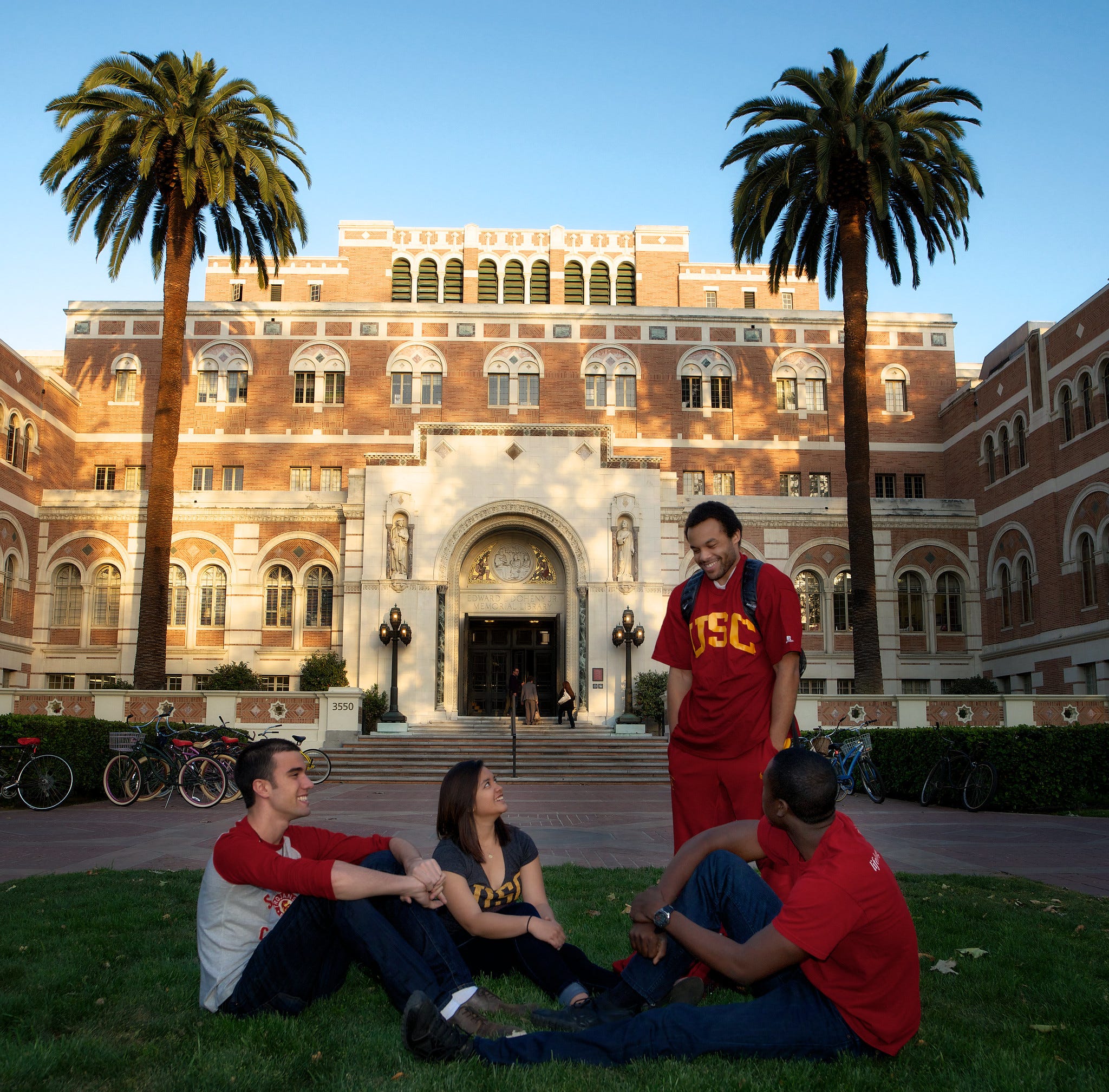
As a transfer student myself, I am familiar with the stigmas that surround community colleges. The truth is, attending a community college has nothing to do with a student’s intelligence, financial situation, or college preparedness. People choose community college for many different reasons, and this is a great path to prepare for transferring to another school, such as USC. In fact, USC has a real commitment to the California Community College system, which is why it admits so many transfer students each year.
Some students worry that there are fewer opportunities for involvement or that their activity list will not look as full when applying to transfer. In reality, community colleges offer a wide range of student-led organizations and clubs, both professional and personal. These clubs also come with leadership positions, which are great ways to gain experience planning events, leading peers, and strengthening your transfer application.
While some campuses may have cooking clubs or intramural sports (student-led recreational teams), many also offer nationally recognized honor societies. Phi Theta Kappa is an intercollegiate honor society that provides professional development opportunities and Psi Beta is a Psychology honor society where students can conduct research outside of the classroom. Colleges also offer athletics, student ambassador jobs (paid roles to represent your college at tours, events, programming etc.), and other ways to get involved and build a strong activities section for applications to transfer.
Outside of campus, home responsibilities, off-campus jobs, and community volunteering are also meaningful ways to stay involved during your time at community college.
Community colleges may also offer Scholars Programs or more advanced coursework. These are all still college-level classes, but they can provide extra rigor for students seeking it. By checking course catalogs, visiting the transfer center, or talking to an advisor, students can learn about these opportunities. While these programs are not required for transfer admission, they can be a great option for those who want them.
Another common misconception is that community colleges do not offer the same level of counseling, advising or support as four-year universities. That is simply not true. Every college has professionals dedicated to supporting students. There may be fewer staff members, but there are also fewer students. It is important to attend classes, visit professors’ office hours, and make appointments with advisors or counselors early. Trust academic and transfer advisors; they want to help students reach their goals.
Overall, college is just one part of a student’s journey. Whether a student starts at a community college and transfers, or attends a university from the start, it’s all about making the most of the resources and community available.
Written by: Allegra Gutierrez, Assistant Director – USC Office of Undergraduate Admission